Take Action
What are Opioids?
Opioids are a class of drugs that alleviate pain and may produce a pleasurable effect on the brain and body. Opioids are used in many ways. A healthcare professional may prescribe them as part of a treatment plan following an injury or surgery. Opioids are also employed in a nonmedical way. Some people may use opioids to cope with painful emotions, trauma, and other life experiences.
Prescription Opioids: Prescription opioids can be prescribed by doctors but can also have serious risks and side effects. Common types are oxycodone (OxyContin), hydrocodone (Vicodin), morphine, and methadone.
Fentanyl: Fentanyl is a synthetic opioid pain reliever. It is much more potent than other opioids. It is approved for treating severe pain; however, illegally made and distributed fentanyl has been on the rise in Kansas.
Heroin: Heroin is a highly addictive illegal opioid drug.
 This is a lethal dose of fentanyl
Know the Risks of Opioid Misuse
When opioids are taken directly from the direction of your doctor, opioids can be an effective pain reliever. However, the feelings of pleasure derived from opioids can lead to substance misuse. When the feeling of the opioid wears off, there may be a craving for those feelings again. When opioids are taken over a more extended period, the tolerance can increase, meaning a higher dosage is needed to create those feelings.
Illicit drugs are very dangerous. The strength of the opioid or what it is mixed is unknown. This can increase the risk of an overdose and death. Counterfeit pills or illicit drugs can contain fentanyl which can be fatal even in small amounts.
The following can help you or a loved one avoid opioid overdose:
- Take medicine as prescribed; it is essential to ask your doctor questions when prescribed opioids.
- Do not take more medication than prescribed or take it more often than instructed.
- Never mix opioids with alcohol, sleeping pills, or illicit substances.
- Never take anyone else's medication.
- Keep children away from ingestion.
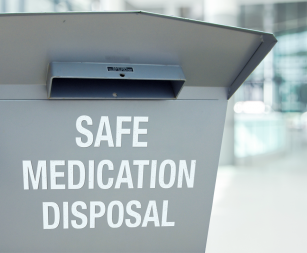
- Dispose of unused or unwanted medication properly.
Can You Spot the Difference?
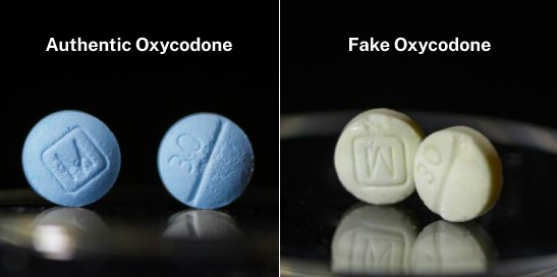 One Pill Can Kill from DEA.gov
Signs of an Overdose
Recognize the signs and symptoms of an opioid overdose to save a life:
Call 911 immediately if a person exhibits any of the following:
- Unresponsive or unconscious
- Slowed or stopped breathing
- Snoring or rattling sounds
- Cold or clammy skin
- Discolored lips or fingernails
How to Respond to an Overdose
- Call 911 immediately.
- If the person has stopped breathing, begin CPR.
- Give naloxone, if available, to reverse an overdose
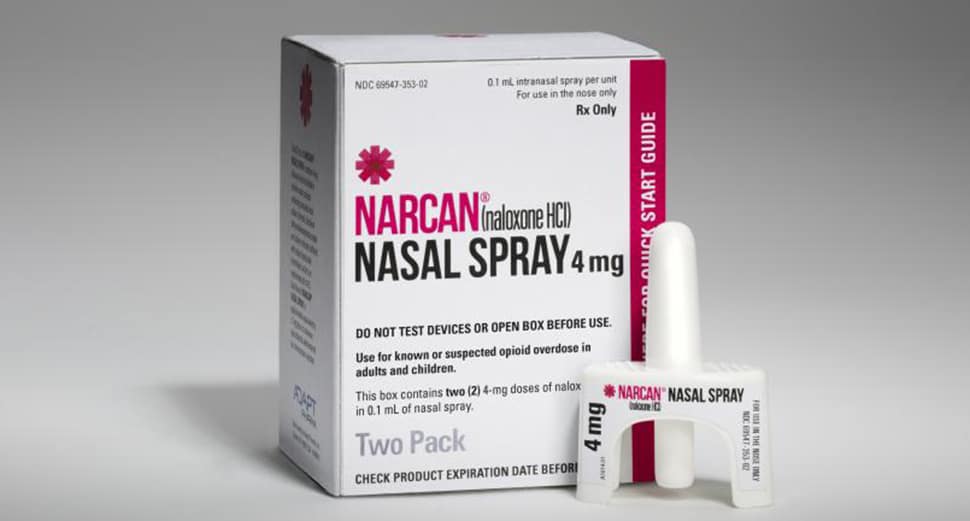
Naloxone (Narcan)
- Naloxone reverses an opioid overdose. It will only work if a person has opiates in their system. Naloxone works by blocking the effects of opiates on the brain and restoring breathing. Naloxone is safe and effective.
- Where to find Naloxone in Saline County?
- CKF Addiction Treatment Vending Machine: 617 E. Elm- 24/7 access to Narcan.
- DCCCA
Take Action
How You Can Help
Recovery Page
What are Opioids?
Opioids are a class of drugs that alleviate pain and may produce a pleasurable effect on the brain and body. Opioids are used in many ways. A healthcare professional may prescribe them as part of a treatment plan following an injury or surgery. Opioids are also employed in a nonmedical way. Some people may use opioids to cope with painful emotions, trauma, and other life experiences.
Prescription Opioids: Prescription opioids can be prescribed by doctors but can also have serious risks and side effects. Common types are oxycodone (OxyContin), hydrocodone (Vicodin), morphine, and methadone.
Fentanyl: Fentanyl is a synthetic opioid pain reliever. It is much more potent than other opioids. It is approved for treating severe pain; however, illegally made and distributed fentanyl has been on the rise in Kansas.
Heroin: Heroin is a highly addictive illegal opioid drug.
This is a lethal dose of fentanyl
Know the Risks of Opioid Misuse
When opioids are taken directly from the direction of your doctor, opioids can be an effective pain reliever. However, the feelings of pleasure derived from opioids can lead to substance misuse. When the feeling of the opioid wears off, there may be a craving for those feelings again. When opioids are taken over a more extended period, the tolerance can increase, meaning a higher dosage is needed to create those feelings.
Illicit drugs are very dangerous. The strength of the opioid or what it is mixed is unknown. This can increase the risk of an overdose and death. Counterfeit pills or illicit drugs can contain fentanyl which can be fatal even in small amounts.
The following can help you or a loved one avoid opioid overdose:
- Take medicine as prescribed; it is essential to ask your doctor questions when prescribed opioids.
- Do not take more medication than prescribed or take it more often than instructed.
- Never mix opioids with alcohol, sleeping pills, or illicit substances.
- Never take anyone else's medication.
- Keep children away from ingestion.
- Dispose of unused or unwanted medication properly.
Can You Spot the Difference?
One Pill Can Kill from DEA.gov
Signs of an Overdose
Recognize the signs and symptoms of an opioid overdose to save a life:
Call 911 immediately if a person exhibits any of the following:
- Unresponsive or unconscious
- Slowed or stopped breathing
- Snoring or rattling sounds
- Cold or clammy skin
- Discolored lips or fingernails
How to Respond to an Overdose
- Call 911 immediately.
- If the person has stopped breathing, begin CPR.
- Give naloxone, if available, to reverse an overdose
Naloxone (Narcan)
- Naloxone reverses an opioid overdose. It will only work if a person has opiates in their system. Naloxone works by blocking the effects of opiates on the brain and restoring breathing. Naloxone is safe and effective.
- Where to find Naloxone in Saline County?
- CKF Addiction Treatment Vending Machine: 617 E. Elm- 24/7 access to Narcan.
- DCCCA
Opioid Task Force
The Opioid Task Force is dedicated to combatting the opioid crisis through educating the community, reducing overdoses, and fostering collaboration among community organizations and members. Through a coordinated effort, the task force aims to address the root causes of opioid misuse, provide resources for prevention, and support induvial struggling with addiction and their pathway to recovery. The task force's goal is to create a comprehensive strategy that addresses the complex challenges posed by opioid misuse.
Timeline of the Task Force:
- August 2023- Saline County Health Department brought together community organizations and members for a roundtable to discuss the opioid crisis in the community. Identified the need for a task force to continue conversation, collaboration, and work to address the opioid crisis.
- October 2023- The task force identified four areas to work on: Prevention, Education, Data, and Treatment
- November 2023 - January 2024- The task force maintained its monthly meetings, expanding its network of community partners and participants. Recognizing the necessity, the task force emphasized the importance of conducting an Opioid Community Needs Assessment to gain deeper insights into the community's existing knowledge, information gaps, and actionable areas to take the next steps.
Community Partners
- Salina Family Health Care
- Central Kansas Mental Health Center
- 911 Dispatch
- Ashby House
- Salina USD305
- DCCCA
- Salina Police Department
- EMS
- Salina Regional Hospital
- Heartland RADAC
- The Lantern
- CKF Addiction and Treatment
- Community Members
- And adding!
Join our Task Force